
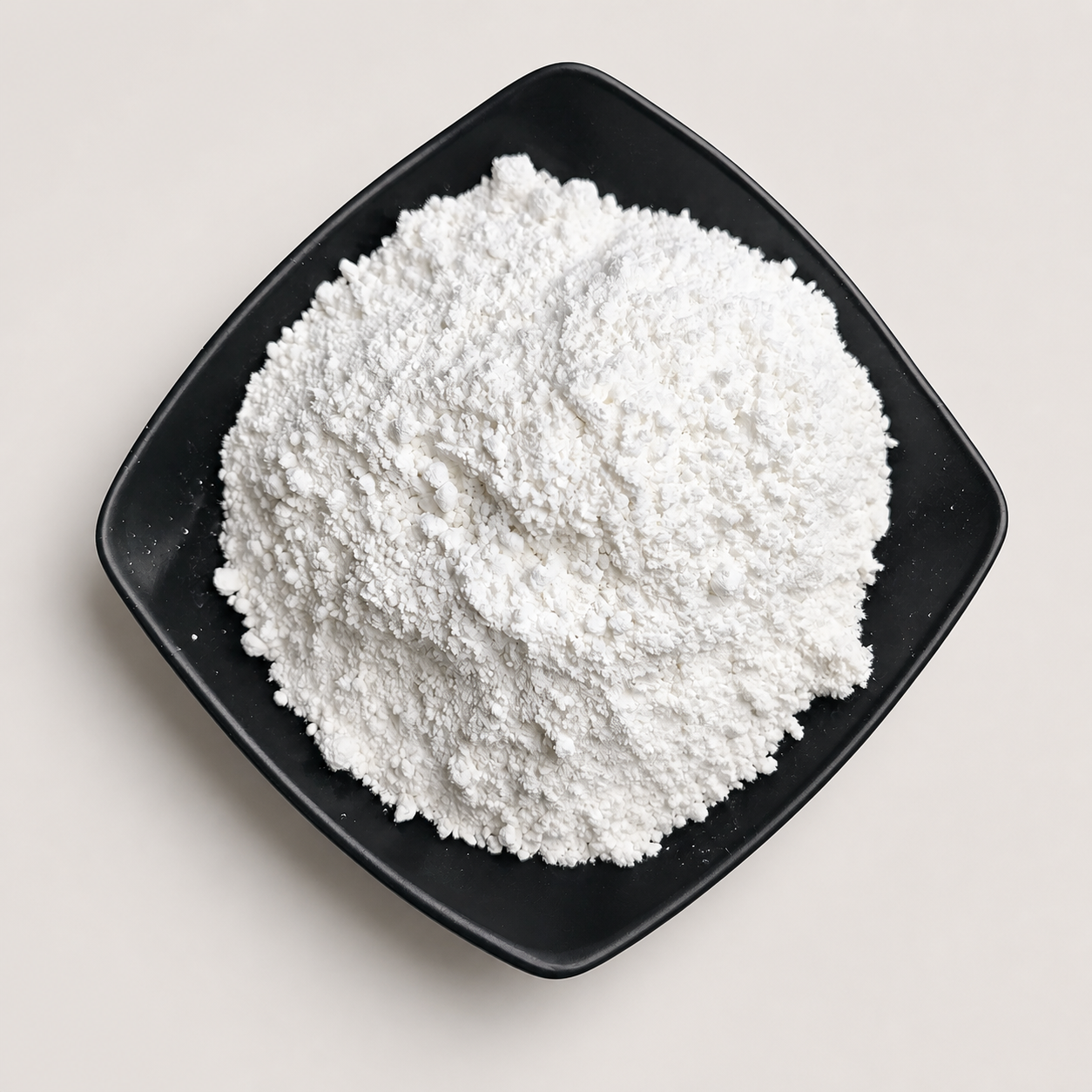
Calcium carbonate is an important mineral component in many paper and coating systems. Depending on the paper grade and process, it can contribute to whiteness, opacity, smoothness, print appearance and formula economics. The selected material must be compatible with the intended neutral or alkaline system and with the mill operating conditions.
What paper producers usually evaluate
- Whiteness and blue-brightness direction
- Particle-size distribution and dispersion behavior
- Purity, insoluble matter and moisture
- Abrasiveness and its effect on equipment wear
- Consistency in slurry handling and sheet formation
From powder data to paper performance
Fine material with controlled particle-size distribution can help support coating coverage, paper smoothness and printability. For filler applications, the balance between opacity, bulk, strength and cost must be assessed together. No single calcium carbonate specification is universally right for all culture paper, packaging paper or coated-paper projects.
HeBei Shoushi material direction
Our published product matrix includes high-whiteness and fine-grade options. On listed PL grades, whiteness categories range from 92 to 97+ by model, with blue brightness of at least 96 on specified grades. These figures are product references, not a substitute for a project-specific TDS, COA and mill trial.
Start with the paper grade
Share the paper grade, application route, current filler or coating formula and visual target. We can discuss a material direction around the required particle size, whiteness, dispersion and supply format.
For a project discussion, visit Quality & Technical Support or request a quote.